Dental anxiety affects millions of people worldwide, often preventing them from seeking the care they need. Fear of pain, discomfort, or loss of control can make even routine dental visits stressful. Fortunately, gentle dentistry offers effective ways to help patients feel calm and safe during their appointments. This post explores how sedation options, a soothing office environment, and a compassionate dental team work together to ease dental anxiety and create a positive experience.
Understanding Dental Anxiety and Its Impact
Dental anxiety ranges from mild nervousness to severe phobia. It can cause physical symptoms like increased heart rate, sweating, or nausea, and emotional distress such as panic or avoidance. This fear often leads to delayed or skipped dental visits, which can worsen oral health problems over time.
Recognizing dental anxiety is the first step toward addressing it. Dentists trained in gentle dentistry understand these fears and tailor their approach to meet each patient's needs. They focus on building trust and providing reassurance throughout the visit.
Sedation Options That Help Patients Relax
Sedation dentistry uses medication to help patients feel relaxed and comfortable during dental procedures. It does not put patients to sleep completely but reduces anxiety and sensitivity to pain. Two common sedation methods are nitrous oxide and oral sedation.
Nitrous Oxide (Laughing Gas)
Nitrous oxide is a safe, fast-acting gas inhaled through a small mask placed over the nose. It helps patients feel calm and euphoric while remaining awake and responsive. The effects wear off quickly after the mask is removed, allowing patients to drive themselves home.
Benefits of nitrous oxide include:
- Rapid onset and recovery
- Adjustable sedation level during treatment
- Minimal side effects
- Suitable for children and adults
For example, a patient who feels tense about a routine cleaning may breathe nitrous oxide to ease their nerves, making the appointment more manageable.
Oral Sedation
Oral sedation involves taking a prescribed pill before the appointment to induce relaxation. The medication typically belongs to the benzodiazepine family and helps reduce anxiety and promote drowsiness. Patients remain conscious but may have limited memory of the procedure.
Oral sedation is ideal for longer or more invasive treatments, such as root canals or extractions. It requires planning since the medication takes effect within 30 to 60 minutes and may require someone to accompany the patient home.
In practice, a patient with a history of dental phobia might take oral sedation to feel calm enough to complete necessary treatment without distress.
Creating a Calming Office Environment
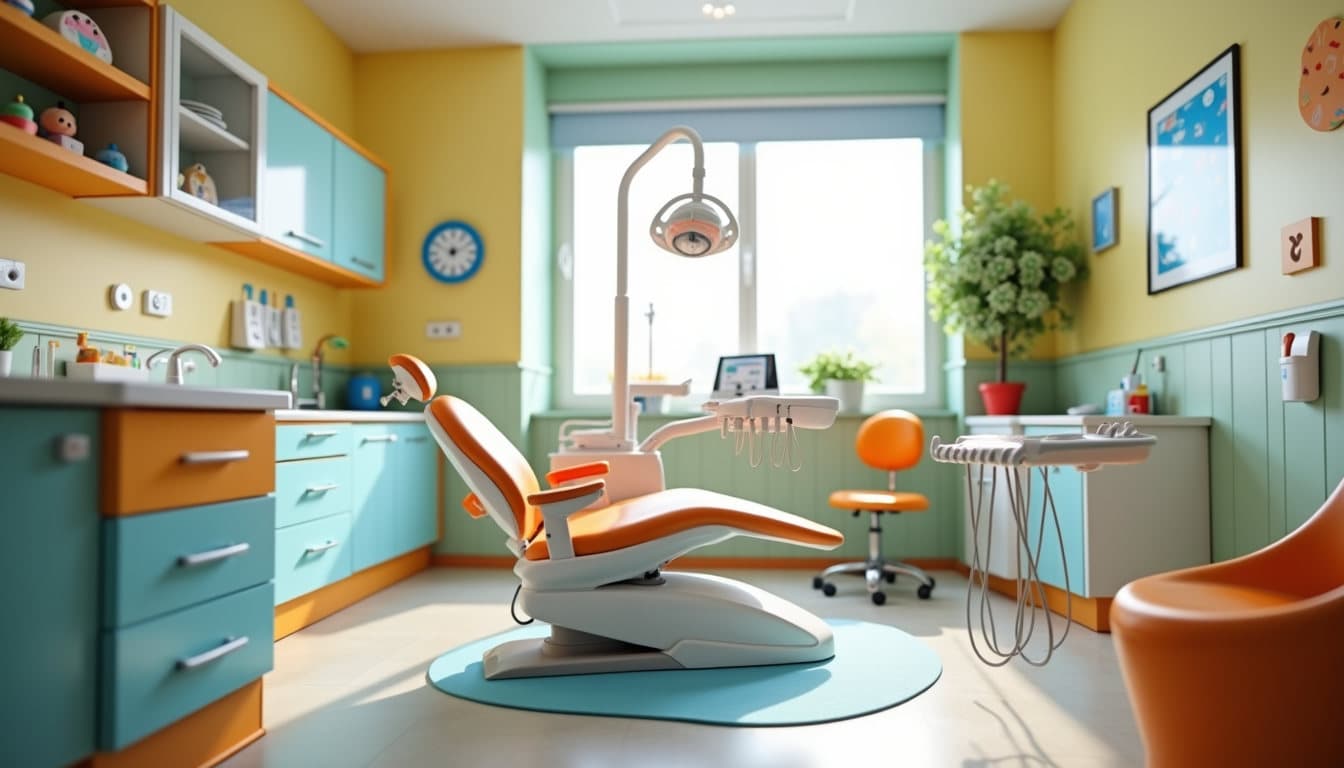
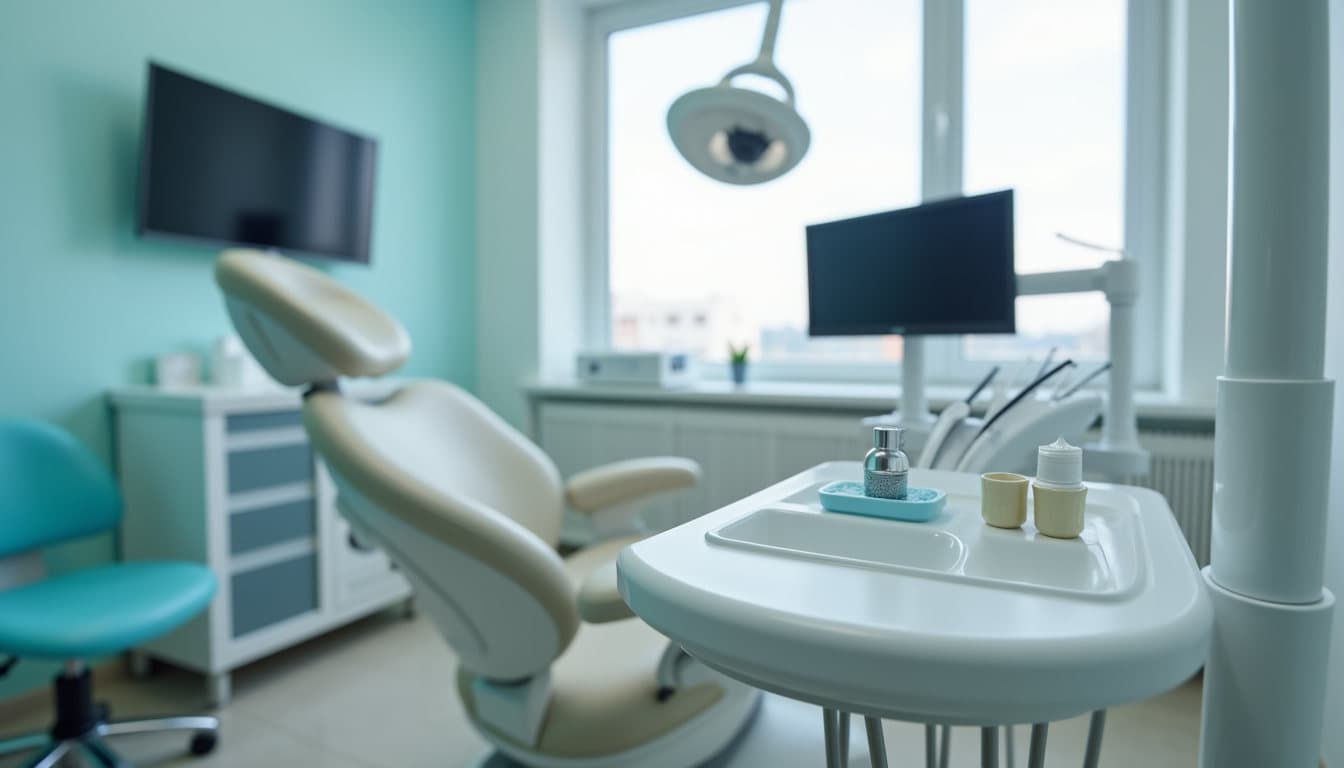
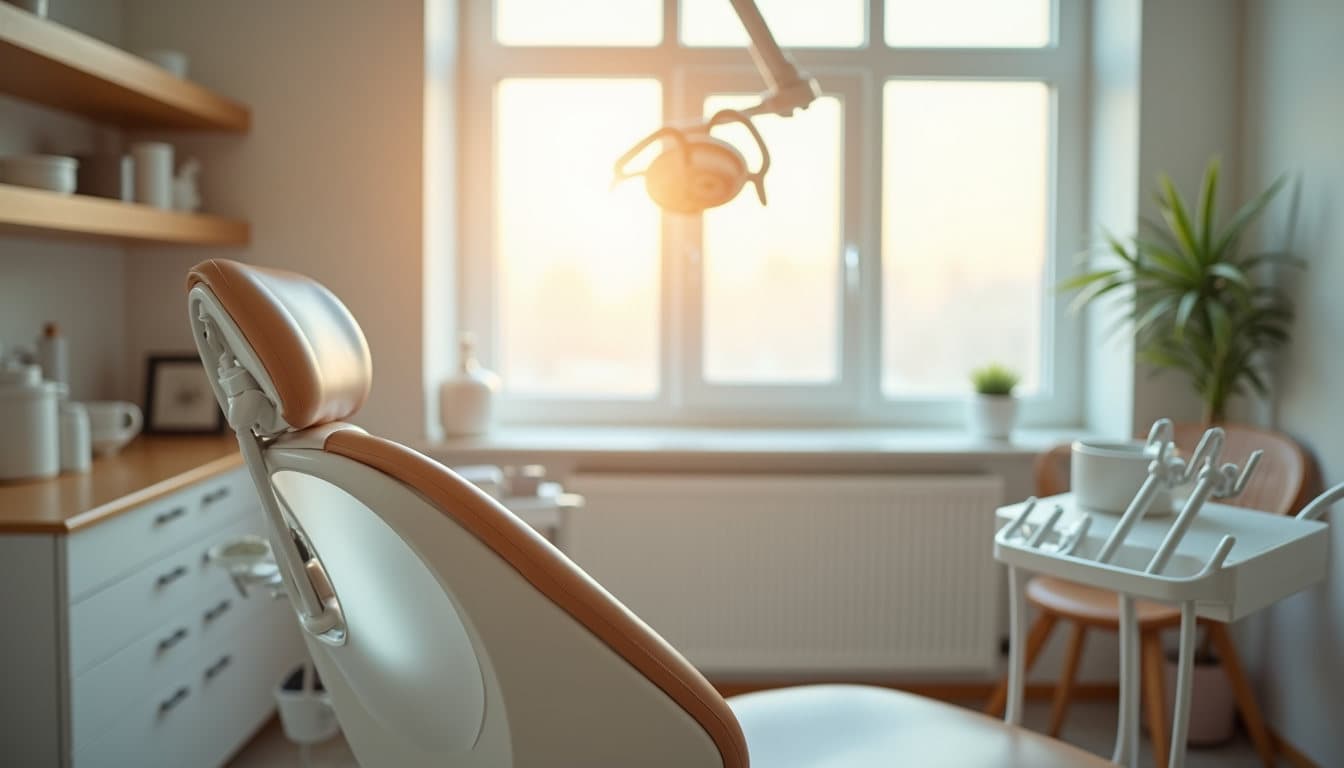
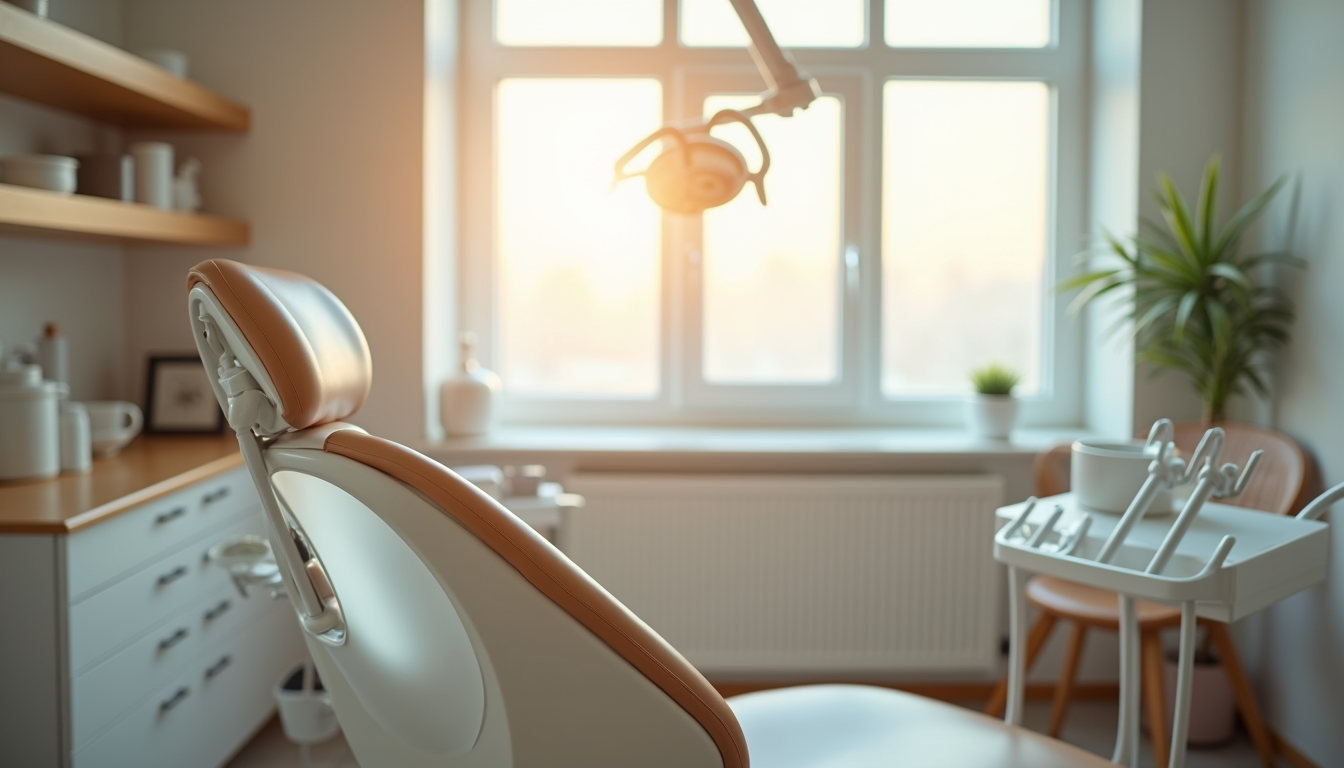
The physical setting of a dental office can significantly influence patient comfort. Gentle dentistry practices design their spaces to reduce stress and promote relaxation.
Key elements include:
- Soft lighting: Harsh fluorescent lights can increase anxiety. Warm, dimmable lighting creates a soothing atmosphere.
- Comfortable seating: Plush chairs in waiting and treatment areas help patients feel at ease.
- Soothing colors: Walls painted in gentle blues, greens, or earth tones have a calming effect.
- Quiet ambiance: Playing soft music or nature sounds masks clinical noises like drills or suction.
- Distraction tools: TVs, headphones, or virtual reality headsets can divert attention during procedures.
For instance, a patient who usually feels overwhelmed by the sound of dental equipment may find the quiet background music and comfortable chair help them relax.
The Role of a Compassionate Dental Team
A gentle approach depends heavily on the dental team's attitude and communication. Compassionate dentists and staff listen carefully to patient concerns and respond with empathy.
Effective strategies include:
- Clear explanations: Describing each step of the procedure reduces fear of the unknown.
- Patient control: Allowing patients to signal if they need a break empowers them.
- Positive reinforcement: Praising patients for their courage builds confidence.
- Personalized care: Adjusting techniques to individual comfort levels shows respect for patient needs.
For example, a dentist might pause frequently during treatment to check in with a nervous patient, offering reassurance and adjusting the pace as needed.
Combining Sedation, Environment, and Compassion for Best Results
The most effective gentle dentistry practices integrate sedation options, a calming environment, and compassionate care. This combination addresses both the physical and emotional aspects of dental anxiety.
Consider a patient scheduled for a complex procedure who feels intense fear. The dental team might:
- Offer oral sedation to reduce anxiety before arrival
- Prepare a quiet, softly lit treatment room with calming music
- Communicate clearly and provide frequent updates during the procedure
- Encourage the patient to use a hand signal to pause if needed
This holistic approach helps the patient feel safe, relaxed, and supported, increasing the likelihood of successful treatment and future visits.
Encouraging Patients to Take the First Step
Overcoming dental anxiety starts with reaching out for help. Patients should feel comfortable discussing their fears with their dentist. Many find relief simply by knowing their concerns are understood and that options exist to make visits easier.
If you or someone you know struggles with dental anxiety, consider asking about sedation dentistry and the office environment. A gentle dental team can create a personalized plan to help you regain control over your oral health.
Ready for Your Next Visit?
We’d Love to See You
Questions about anything you read here? Plan a visit and Dr. Weatherwax will walk you through it in plain language.