Choosing between dental implants and dentures is a common challenge for people facing tooth loss. Both options restore your smile and improve chewing ability, but they differ in many ways, including long-term health benefits, the surgical process, and recovery time. This guide breaks down these differences to help you make an informed decision that fits your lifestyle and oral health needs.
Understanding Dental Implants and Dentures
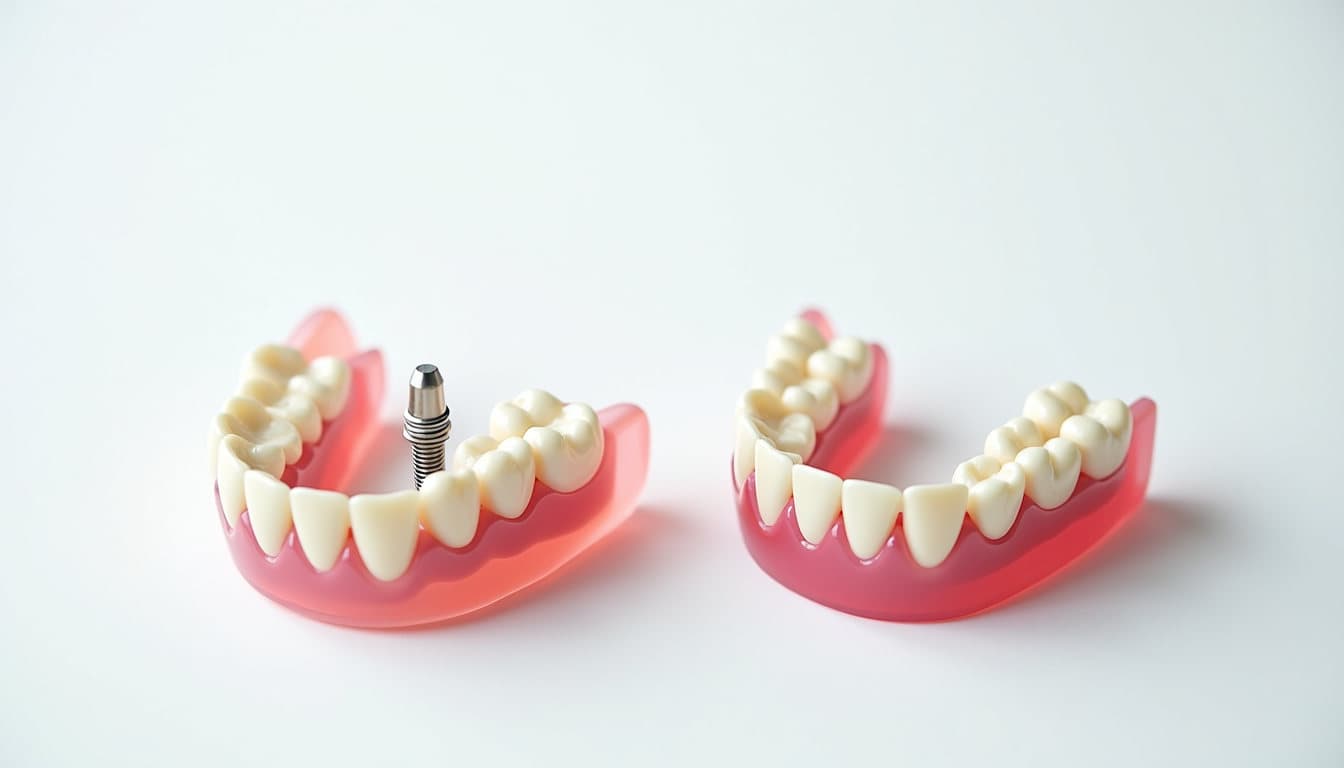
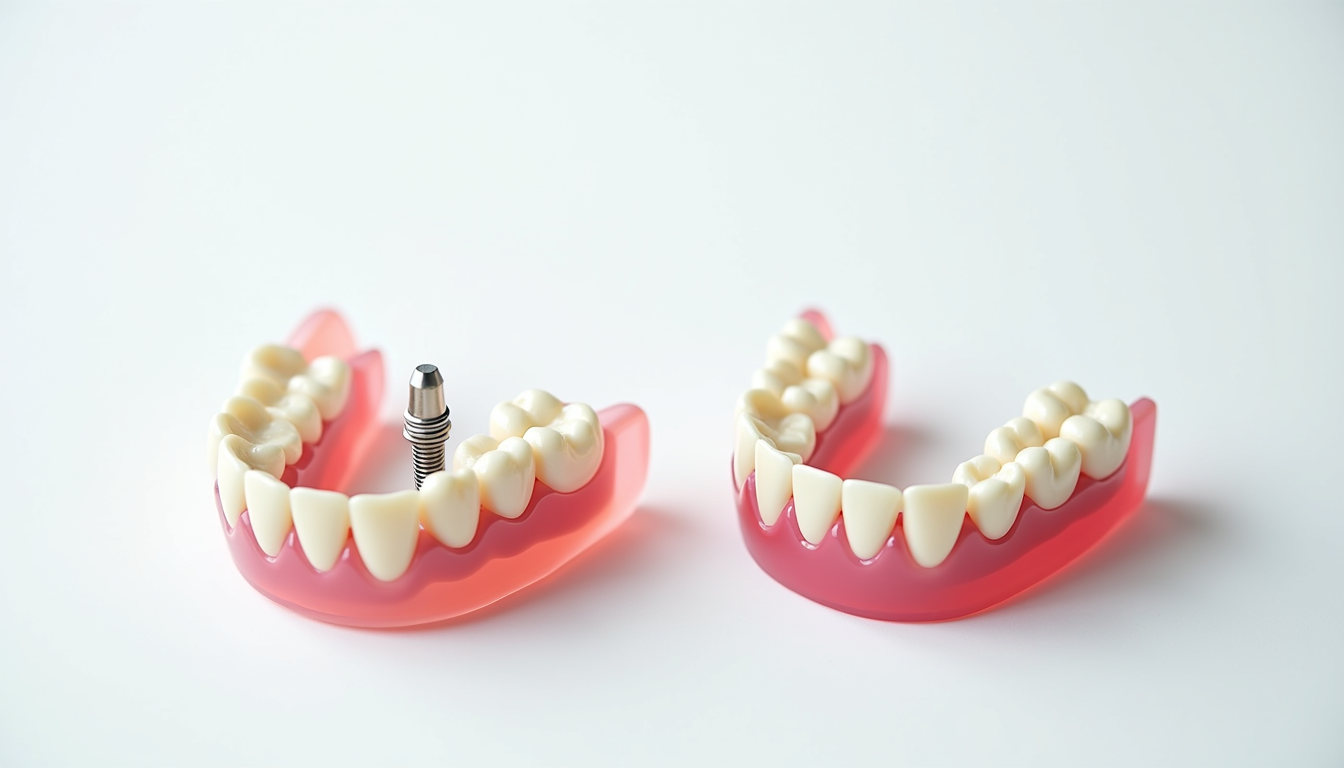
Dental implants are titanium posts surgically placed into the jawbone to act as artificial tooth roots. Once healed, they support crowns, bridges, or dentures, providing a stable and permanent solution. Dentures, on the other hand, are removable prosthetic teeth that rest on the gums and are held in place by suction or adhesives.
Key Differences
- Permanence: Implants are fixed and designed to last decades, while dentures are removable and may need replacement every 5 to 10 years.
- Bone Health: Implants stimulate the jawbone, preventing bone loss. Dentures do not provide this benefit and may accelerate bone shrinkage over time.
- Comfort and Function: Implants feel and function like natural teeth. Dentures can slip, cause sore spots, and limit certain foods.
Long-Term Health Benefits of Dental Implants
Dental implants offer significant advantages beyond aesthetics:
- Preserve Jawbone Density
When a tooth is lost, the jawbone begins to deteriorate due to lack of stimulation. Implants mimic natural tooth roots, encouraging bone growth and maintaining facial structure.
- Prevent Teeth Shifting
Implants fill gaps, preventing neighboring teeth from drifting out of place, which can cause bite problems and further tooth loss.
- Improve Oral Hygiene
Implants allow easier cleaning compared to dentures, which can trap food and bacteria, increasing the risk of gum disease.
- Enhance Chewing Efficiency
Implants restore nearly full chewing power, enabling a varied diet that supports overall nutrition.
Dentures, while restoring appearance and basic function, do not support bone health or prevent shifting. Over time, this can lead to changes in facial shape and difficulties with denture fit.
The Surgical Process for Dental Implants
Getting dental implants involves several steps over a few months:
- Initial Consultation and Planning
Your dentist evaluates your oral health, bone density, and medical history. X-rays or 3D scans help plan implant placement. - Tooth Extraction (if needed)
Damaged teeth are removed before implant placement.
- Implant Placement Surgery
Under local anesthesia, the implant post is inserted into the jawbone. This procedure usually takes 1 to 2 hours per implant. - Osseointegration Period
Over 3 to 6 months, the bone grows around the implant, securing it firmly.
- Abutment Attachment
After healing, a connector called an abutment is attached to the implant. - Crown or Prosthesis Placement
Finally, a custom-made crown, bridge, or denture is fixed onto the abutment.
This process requires patience but results in a strong, natural-feeling tooth replacement.
Recovery Timeline for Dental Implants
Recovery varies depending on the number of implants and individual healing:
- First Few Days
Mild swelling, bruising, and discomfort are common. Pain medication and ice packs help manage symptoms.
- First Two Weeks
Soft foods are recommended. Stitches may dissolve or be removed during this period.
- Osseointegration Phase
No chewing on the implant site to allow bone healing. Regular check-ups monitor progress.
- Final Restoration
Once healed, the permanent crown or denture is placed, and normal eating resumes.
Most patients return to normal activities within a few days but must follow care instructions to ensure success.
Dentures: What to Expect
Dentures provide a quicker, less invasive solution:
- Fitting Process
Impressions of your gums are taken to create custom dentures.
- Adjustment Period
It may take weeks to get used to speaking and eating with dentures.
- Maintenance
Dentures require daily cleaning and occasional adjustments.
- Longevity
Dentures usually last 5 to 10 years before needing replacement due to wear or changes in gum shape.
While dentures restore appearance and function, they do not prevent bone loss or provide the same stability as implants.
Factors to Consider When Choosing
- Budget
Implants cost more upfront but last longer. Dentures are less expensive initially but may incur ongoing costs.
- Oral Health
Adequate bone density is needed for implants. Dentures may be better if bone loss is severe.
- Lifestyle
Implants require surgery and healing time. Dentures offer immediate results but need daily care.
- Comfort and Confidence
Implants feel natural and secure. Dentures can slip and may affect speech or eating.
- Long-Term Goals
Implants support bone health and oral function. Dentures are a practical short-term solution.
Practical Examples
- A 55-year-old with good bone health and no major medical issues may choose implants for a permanent solution that supports active lifestyle and nutrition.
- An 80-year-old with significant bone loss and limited budget might opt for dentures to restore appearance and basic chewing ability without surgery.
- Someone needing to replace multiple teeth quickly might start with dentures and later transition to implants after bone grafting.
Caring for Implants and Dentures
- Dental Implants
Brush twice daily, floss carefully around implants, and visit the dentist regularly for check-ups.
- Dentures
Clean dentures daily with special brushes and soak overnight. Remove dentures while sleeping to protect gums.
Both require good oral hygiene to prevent complications.
Ready for Your Next Visit?
We’d Love to See You
Questions about anything you read here? Plan a visit and Dr. Weatherwax will walk you through it in plain language.