
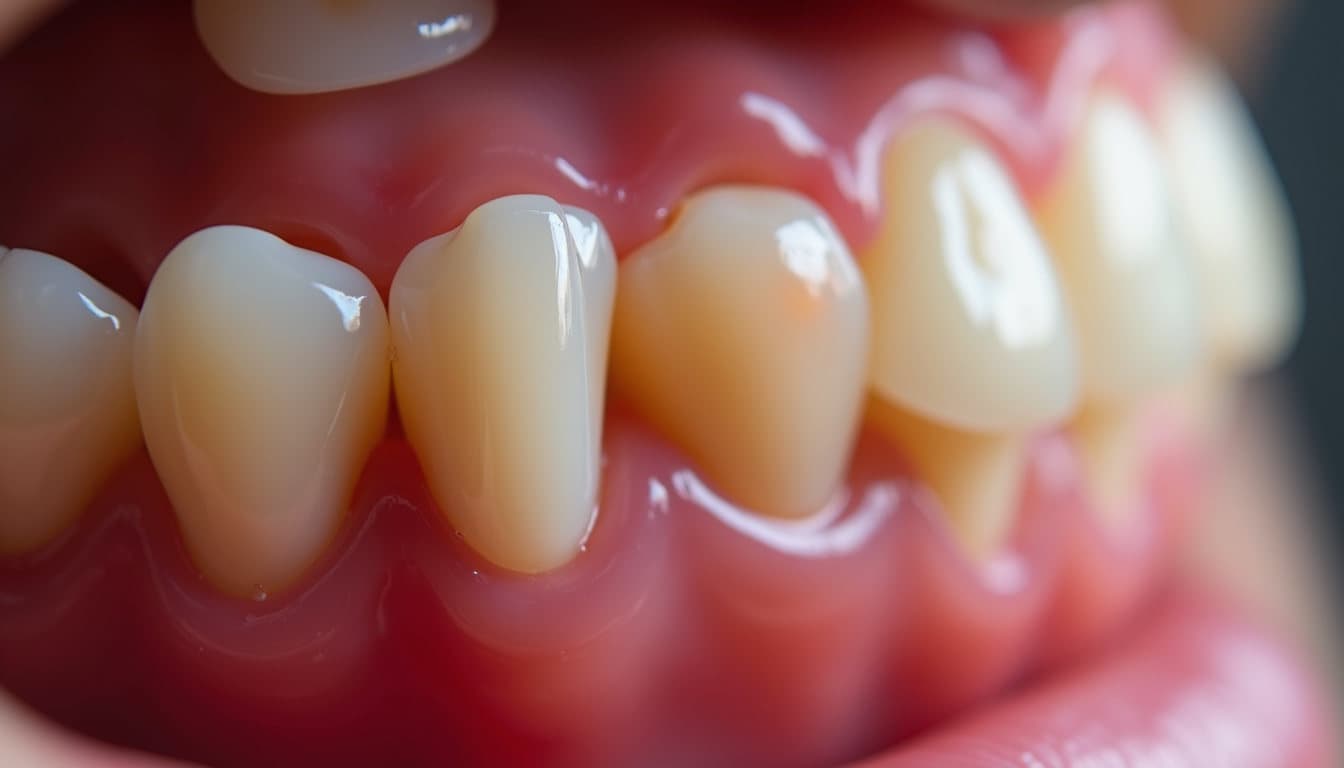
Gum disease, also known as periodontitis, is often seen as a localized problem affecting only the mouth. Yet, research increasingly shows that the health of your gums can reveal much more about your overall body wellness. This connection is especially important because gum disease has been linked to serious conditions such as heart disease and diabetes. Understanding this link can motivate better oral care habits and encourage regular dental cleanings, which play a crucial role in preventing these health risks.
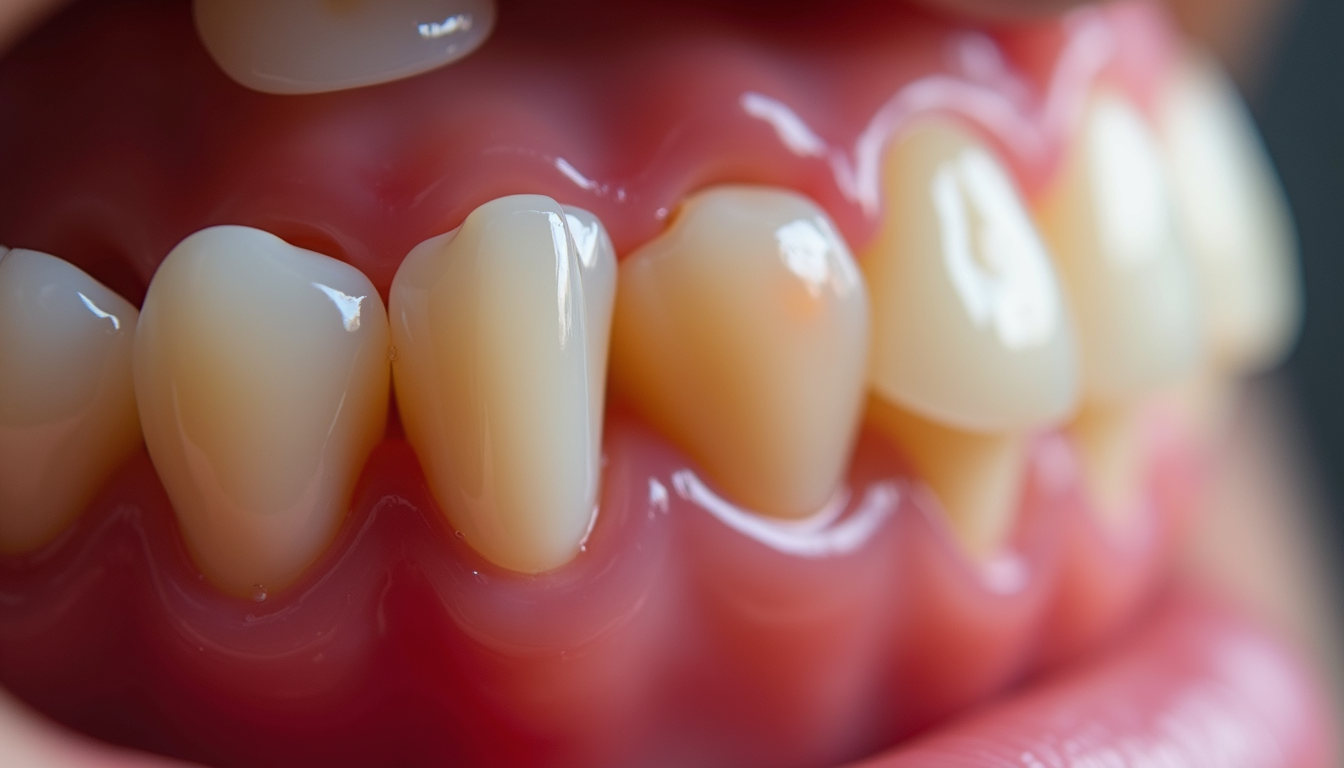
What Is Gum Disease and How Does It Develop?
Gum disease begins as gingivitis, a mild inflammation of the gums caused by plaque buildup. Plaque is a sticky film of bacteria that forms on teeth after eating. If not removed by brushing and flossing, plaque hardens into tartar, which irritates the gums and leads to inflammation.
When gingivitis is left untreated, it can progress to periodontitis. This advanced stage involves the gums pulling away from the teeth, forming pockets that become infected. The body’s immune response to this infection can break down the bone and connective tissue holding teeth in place, potentially causing tooth loss.
The Link Between Gum Disease and Heart Disease
Multiple studies have found a strong association between periodontitis and heart disease. The connection lies in inflammation and bacteria. Here’s how:
- Inflammation spreads: The chronic inflammation in the gums can trigger systemic inflammation throughout the body. This widespread inflammation contributes to the buildup of plaques in arteries, known as atherosclerosis, which narrows arteries and increases the risk of heart attacks and strokes.
- Bacteria enter the bloodstream: Harmful bacteria from infected gums can enter the bloodstream during everyday activities like chewing or brushing. These bacteria can attach to fatty plaques in the arteries, worsening blockages and increasing the chance of clot formation.
- Immune system response: The body’s immune reaction to gum bacteria can cause further damage to blood vessels, increasing heart disease risk.
A 2019 review published in the Journal of the American Heart Association found that people with periodontitis had a 20% higher risk of developing heart disease compared to those without gum disease. While gum disease alone does not cause heart disease, it acts as a significant risk factor that can worsen cardiovascular health.
How Gum Disease Affects Diabetes Management
The relationship between gum disease and diabetes is two-way. Diabetes increases the risk of developing periodontitis, and gum disease can make it harder to control blood sugar levels.
- Diabetes weakens the immune system: High blood sugar levels impair the body’s ability to fight infections, including gum infections. This makes people with diabetes more susceptible to severe gum disease.
- Gum disease worsens blood sugar control: Inflammation from periodontitis can increase insulin resistance, making it more difficult for the body to regulate blood sugar. This can lead to higher blood glucose levels and complications related to diabetes.
Research shows that treating gum disease can improve blood sugar control. A study published in Diabetes Care found that patients who received periodontal treatment experienced a significant reduction in their HbA1c levels, a key marker of long-term blood sugar control.
Why Regular Dental Cleanings Matter
Regular dental cleanings are essential for preventing and managing gum disease. Professional cleanings remove plaque and tartar buildup that brushing and flossing alone cannot eliminate. This helps reduce inflammation and bacterial load in the mouth.
Here are key benefits of routine dental visits:
- Early detection: Dentists can identify early signs of gum disease before it progresses to more serious stages.
- Prevention of systemic effects: By controlling gum disease, you reduce the risk of inflammation spreading to other parts of the body.
- Improved overall health: Maintaining healthy gums supports better heart health and diabetes management.
Dental professionals typically recommend cleanings every six months, but people with gum disease or other risk factors may need more frequent visits.
Practical Tips to Protect Your Oral and Overall Health
Taking care of your gums is a simple yet powerful way to support your whole-body health. Here are practical steps to keep your gums healthy:
- Brush twice daily: Use a soft-bristled toothbrush and fluoride toothpaste. Brush gently along the gumline to remove plaque.
- Floss daily: Flossing removes plaque and food particles between teeth where a toothbrush cannot reach.
- Use an antimicrobial mouthwash: This can reduce bacteria that cause gum disease.
- Avoid tobacco: Smoking increases the risk of gum disease and worsens its effects.
- Maintain a balanced diet: Foods rich in vitamins C and D, calcium, and antioxidants support gum health.
- Manage chronic conditions: Keep diabetes and other health issues under control with your healthcare provider’s guidance.
- Schedule regular dental checkups: Professional cleanings and exams are vital for early intervention.
Understanding the Bigger Picture
The mouth is not isolated from the rest of the body. It serves as a gateway where bacteria and inflammation can influence overall health. Gum disease is a clear example of how oral health impacts systemic conditions like heart disease and diabetes.
By recognizing this connection, individuals can take proactive steps to protect both their oral and general health. Regular dental cleanings, combined with good daily oral hygiene and healthy lifestyle choices, form a strong defense against these linked health risks.
Taking care of your gums is more than just preserving your smile, it is an investment in your long-term wellness.
Ready for Your Next Visit?
We’d Love to See You
Questions about anything you read here? Plan a visit and Dr. Weatherwax will walk you through it in plain language.