
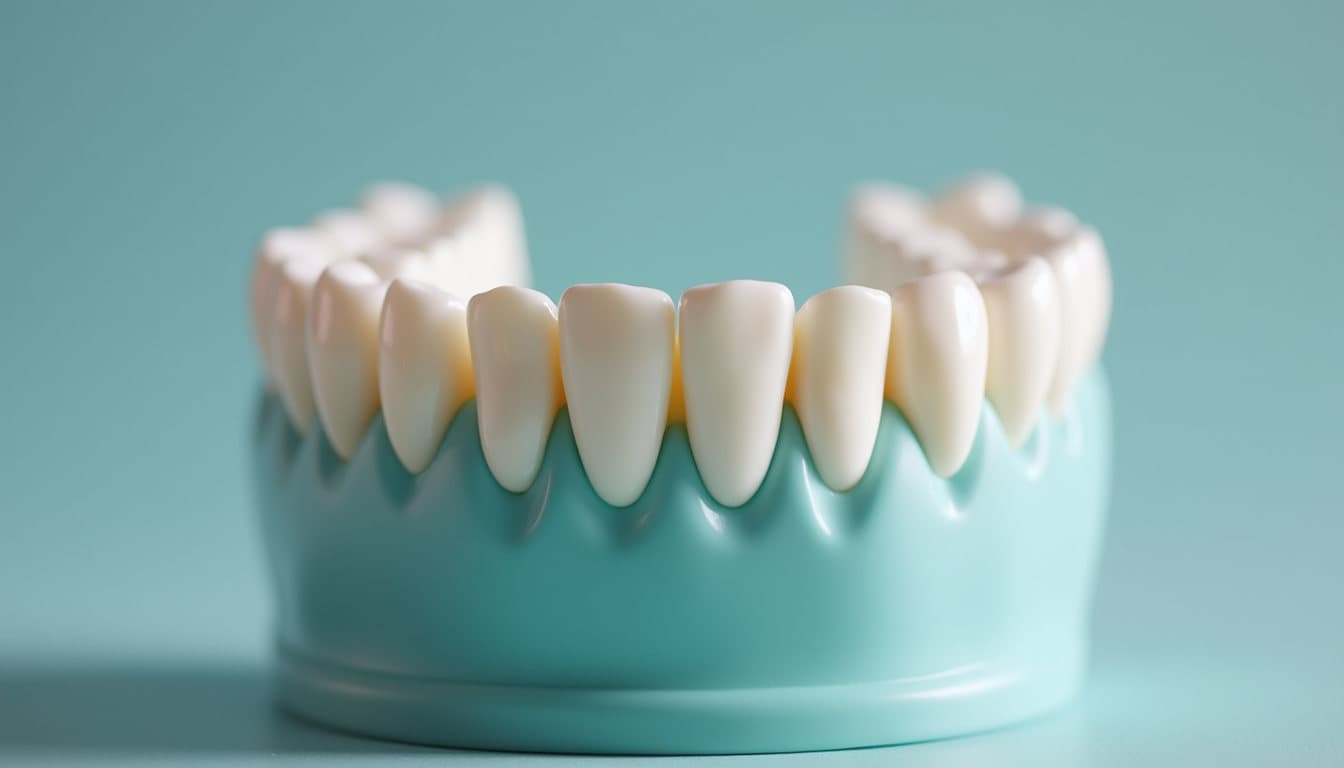
Restoring a smile that has suffered from multiple missing or damaged teeth can feel overwhelming. The impact goes beyond appearance, chewing, speaking, and overall oral health can suffer greatly. Full mouth reconstruction offers a path to regain not only a beautiful smile but also improved function and confidence. This guide explains the key treatments involved, including crowns, bridges, and implant-supported bridges, helping patients understand their options and what to expect.
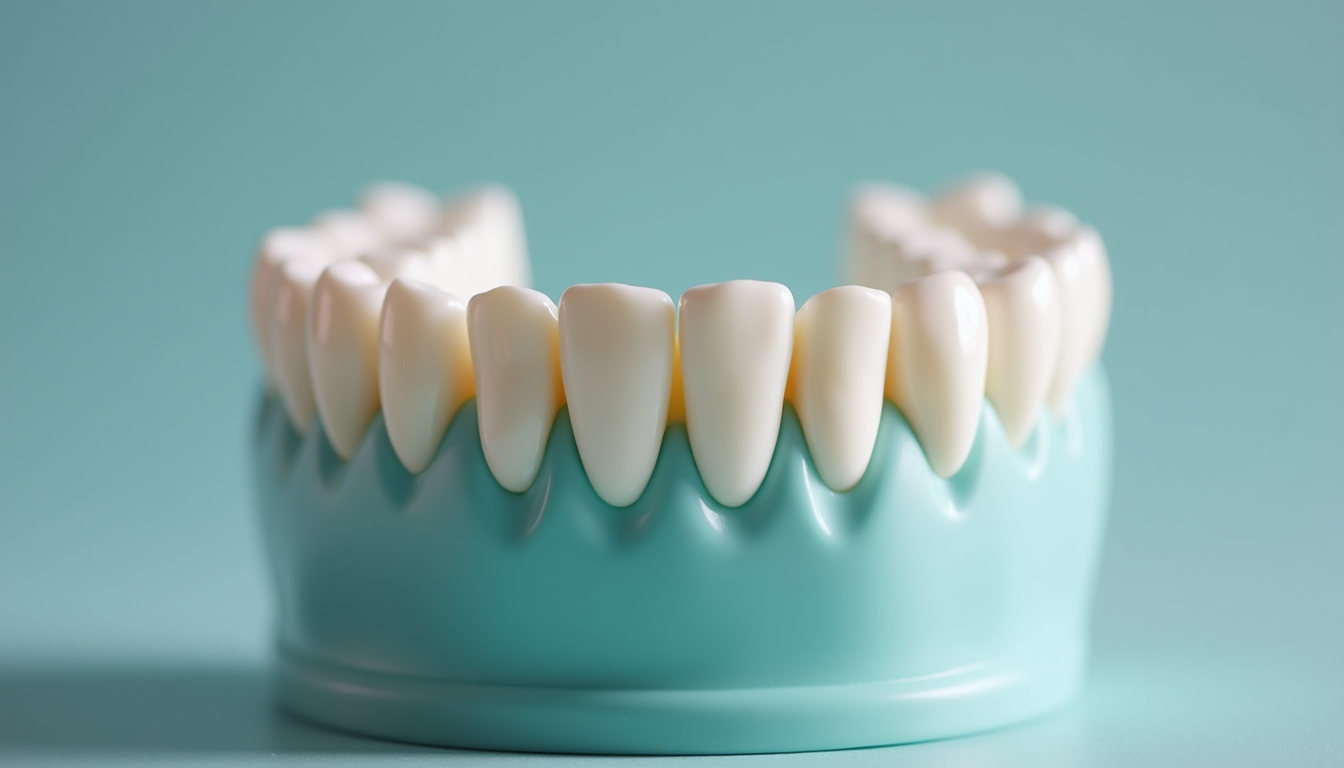
Understanding Full Mouth Reconstruction
Full mouth reconstruction refers to a combination of dental procedures designed to restore all or most of the teeth in the mouth. It is often necessary for patients with extensive tooth loss, severe decay, or damage from trauma or disease. The goal is to rebuild a healthy, functional, and aesthetically pleasing smile.
This process is highly personalized. A dentist evaluates the condition of the gums, jawbone, bite alignment, and remaining teeth to create a treatment plan that addresses both health and cosmetic concerns. The reconstruction can involve multiple types of restorations, including crowns, bridges, and implants.
Crowns: Protecting and Restoring Damaged Teeth
Crowns are tooth-shaped caps that cover damaged or weakened teeth. They restore the tooth’s shape, size, strength, and appearance. Crowns are commonly used when a tooth has a large cavity, a crack, or after root canal treatment.
How Crowns Work in Full Mouth Reconstruction
- Protection: Crowns shield fragile teeth from further damage.
- Function: They restore chewing ability and proper bite alignment.
- Appearance: Crowns can be made from porcelain or ceramic to match natural tooth color.
For example, a patient with several cracked teeth may receive crowns to prevent further fractures and improve their smile. Crowns are often the first step before placing bridges or implants.
Bridges: Replacing Missing Teeth Without Surgery
Bridges fill gaps left by missing teeth by anchoring artificial teeth to adjacent natural teeth. They are a non-surgical option for patients who want to restore their smile and chewing function without implants.
Types of Bridges
- Traditional bridges use crowns on the teeth next to the gap to support the false tooth.
- Cantilever bridges attach to only one adjacent tooth, suitable for areas with fewer teeth.
- Maryland bridges use a metal or porcelain framework bonded to the back of adjacent teeth.
Benefits of Bridges in Reconstruction
- Restore ability to chew and speak clearly.
- Prevent remaining teeth from shifting out of place.
- Improve smile aesthetics by filling visible gaps.
For example, a patient missing two teeth in the front might receive a traditional bridge to restore appearance and bite without surgery.
Implant-Supported Bridges: A Durable Solution for Multiple Missing Teeth
Implant-supported bridges combine dental implants with bridges to replace several missing teeth in a row. Unlike traditional bridges, they do not rely on natural teeth for support, which preserves healthy teeth and provides a stronger foundation.
How Implant-Supported Bridges Work
- Titanium implants are surgically placed into the jawbone.
- After healing, the implants act as anchors for the bridge.
- The bridge is attached to the implants, restoring multiple teeth.
Advantages Over Traditional Bridges
- Implants prevent bone loss by stimulating the jawbone.
- They offer greater stability and durability.
- No need to alter healthy adjacent teeth.
For instance, a patient missing three or more teeth in a row may benefit from an implant-supported bridge, which can last many years with proper care.
The Full Mouth Reconstruction Process
- Comprehensive Evaluation
The dentist examines oral health, takes X-rays, and discusses goals. - Treatment Planning
A customized plan outlines procedures, timelines, and costs.
- Preparatory Work
This may include extractions, gum treatment, or bone grafting. - Restorative Procedures
Crowns, bridges, and implants are placed in stages.
- Follow-Up and Maintenance
Regular check-ups ensure long-term success.
What Patients Can Expect
Full mouth reconstruction requires commitment and patience. The timeline varies depending on the complexity of the case, but patients often notice improvements in comfort and appearance early in the process.
Pain management and healing are important considerations. Dentists use local anesthesia and sedation options to minimize discomfort. After procedures, patients receive detailed care instructions to support recovery.
Maintaining Your New Smile
Once reconstruction is complete, maintaining oral hygiene is essential. Patients should:
- Brush twice daily with fluoride toothpaste.
- Floss carefully around crowns, bridges, and implants.
- Visit the dentist regularly for cleanings and exams.
- Avoid habits that can damage restorations, such as chewing hard objects.
Proper care helps restorations last for many years and keeps gums healthy.
Emotional and Social Benefits
Beyond physical improvements, full mouth reconstruction can restore self-esteem and social confidence. Patients often report feeling more comfortable smiling, speaking, and engaging in daily activities. This boost in confidence can positively affect personal and professional relationships.
Ready for Your Next Visit?
We’d Love to See You
Questions about anything you read here? Plan a visit and Dr. Weatherwax will walk you through it in plain language.