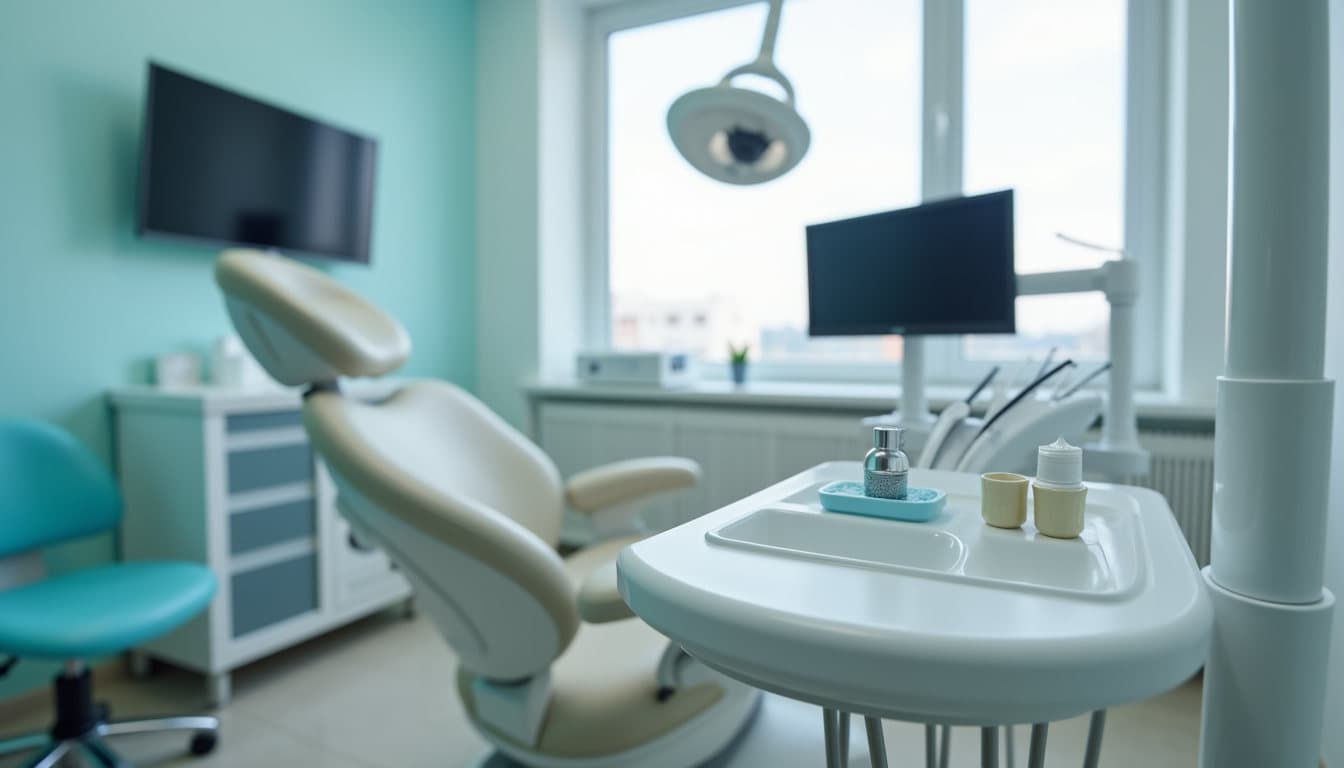
Dental emergencies can strike without warning, causing pain and panic. Knowing how to respond quickly and correctly can save your teeth and reduce discomfort. This guide covers what to do if you experience a knocked-out tooth, a severe toothache, or a broken crown. We also highlight the importance of seeking prompt professional care, including same-day emergency appointments that can make a difference in your outcome.
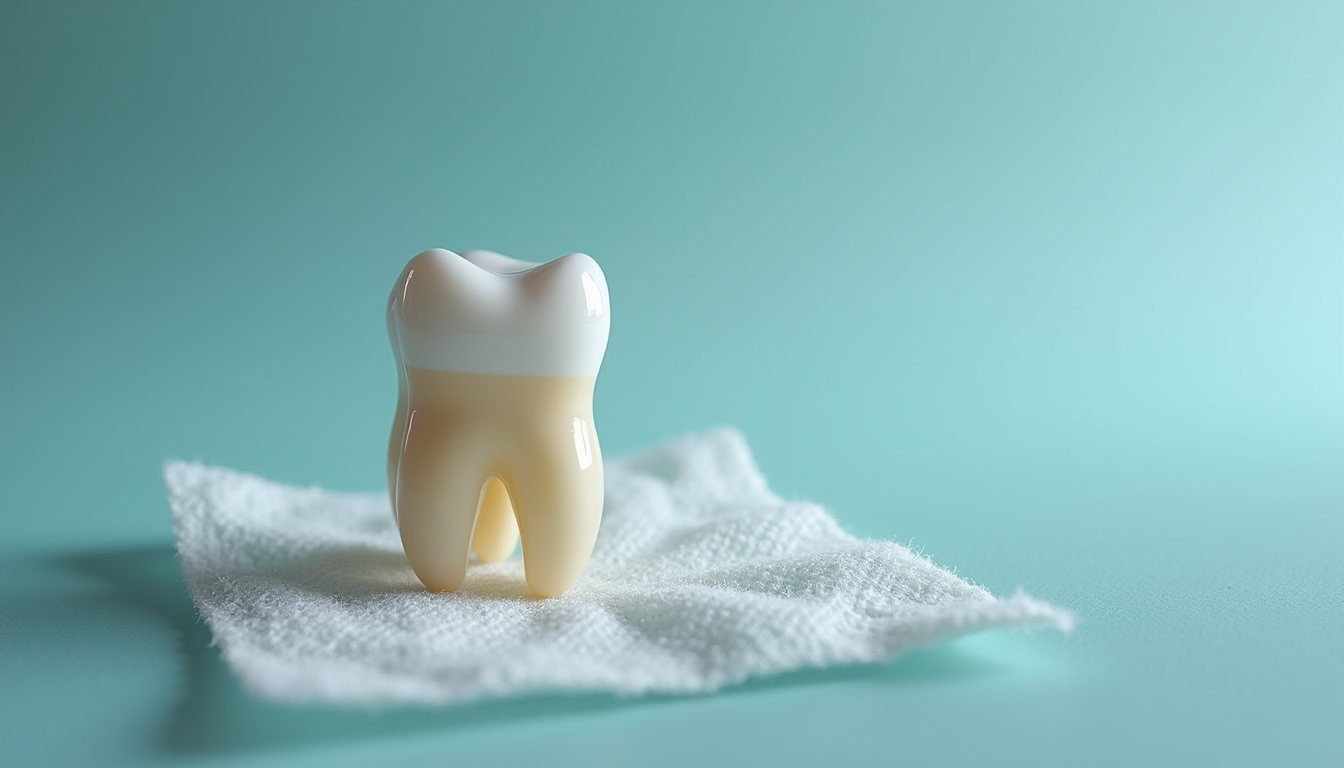
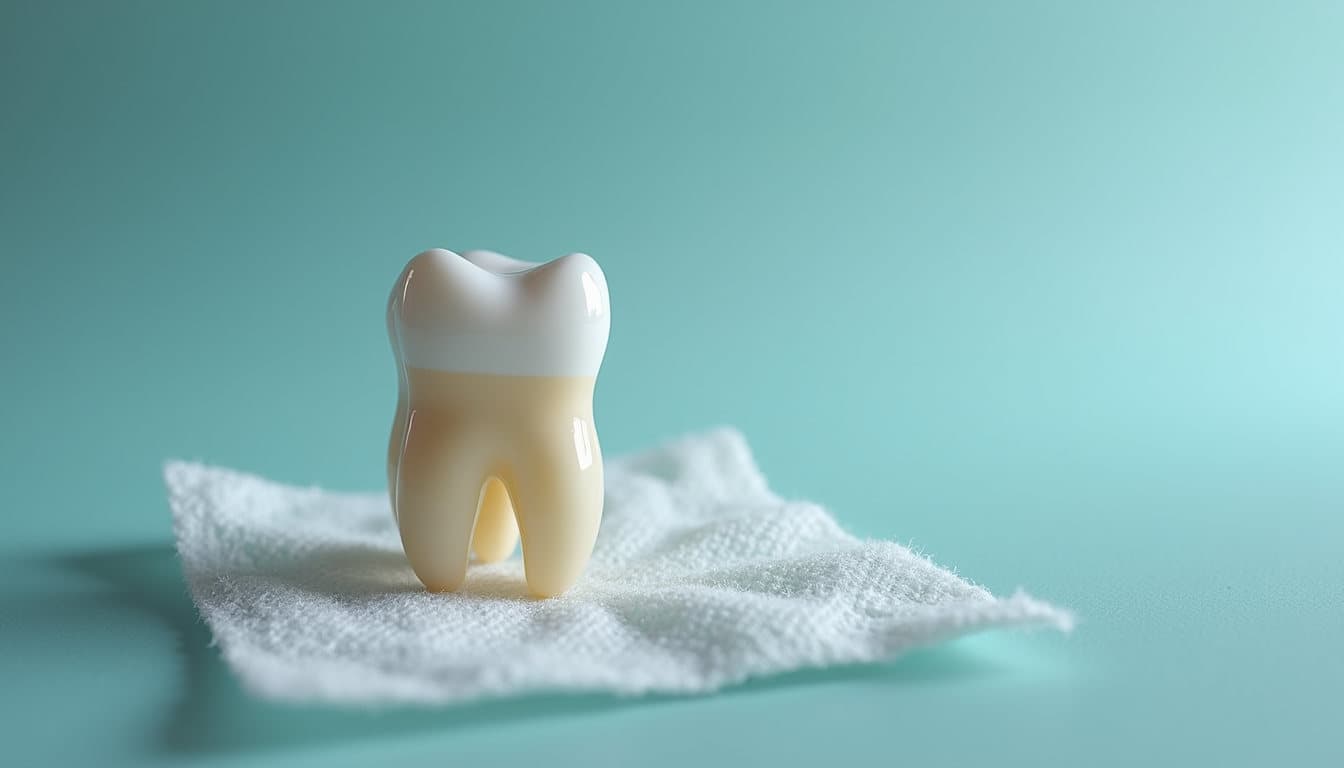
What to Do If a Tooth Gets Knocked Out
A tooth knocked out completely is one of the most urgent dental emergencies. Acting fast can sometimes save the tooth.
- Find the tooth immediately
Locate the tooth and handle it carefully by the crown (the chewing surface), not the root.
- Rinse the tooth gently
Use milk or saline solution to rinse the tooth if it’s dirty. Avoid scrubbing or using soap.
- Try to reinsert the tooth
If possible, place the tooth back into the socket gently and hold it in place by biting down on a clean cloth or gauze.
- Keep the tooth moist
If reinsertion is not possible, store the tooth in milk, saline, or your saliva. Avoid water, which can damage the root cells.
- Control bleeding
Use gauze or a clean cloth to apply gentle pressure to the empty socket.
- Seek emergency dental care immediately
Time is critical. Visit a dentist within 30 minutes to 1 hour for the best chance to save the tooth.
How to Handle Severe Toothaches
Severe tooth pain can signal infection, decay, or injury. Managing pain and preventing worsening symptoms is key.
- Rinse your mouth with warm salt water
This helps reduce inflammation and cleans the area.
- Use over-the-counter pain relief
Ibuprofen or acetaminophen can ease pain. Follow dosage instructions carefully.
- Avoid very hot, cold, or sugary foods and drinks
These can worsen sensitivity and pain.
- Check for swelling or fever
Swelling in the face or jaw, or fever, may indicate infection needing urgent care.
- Do not put aspirin or other painkillers directly on the gums or tooth
This can cause burns or irritation.
- Call your dentist for a same-day emergency appointment
Prompt treatment can prevent complications like abscesses or tooth loss.
Steps to Take When a Crown Breaks or Comes Off
A broken or lost crown exposes the tooth underneath, which can be sensitive and vulnerable.
- Locate the crown piece if it broke off
Keep it safe; your dentist might be able to reattach it.
- Clean the crown and your tooth gently
Rinse with warm water to remove debris.
- Use dental cement or toothpaste as a temporary fix
Apply a small amount inside the crown and place it back on the tooth if it fits comfortably.
- Avoid chewing on the affected side
This prevents further damage or discomfort.
- Schedule a same-day emergency dental visit
A dentist can properly repair or replace the crown to protect your tooth.
When to Go to the Emergency Room Instead of the Dentist
Some dental emergencies require immediate medical attention beyond dental care.
- Severe facial trauma or jaw fractures
Difficulty breathing or heavy bleeding.
- Signs of a spreading infection
High fever, swelling that blocks the airway, or difficulty swallowing.
- Uncontrolled bleeding
Bleeding that does not stop after 15 minutes of pressure.
In these cases, call emergency services or visit the nearest hospital immediately.
Why Same-Day Emergency Dental Appointments Matter
Dental emergencies worsen quickly without treatment. Same-day appointments provide:
- Faster pain relief
Immediate care reduces suffering and prevents complications.
- Better chances to save teeth
Quick action can save knocked-out or damaged teeth.
- Prevention of infections
Early treatment stops infections from spreading.
- Peace of mind
Knowing you have professional support reduces stress during emergencies.
Preparing for a Dental Emergency
Being prepared can help you act calmly and effectively.
- Keep a dental emergency kit
Include gauze, a small container with a lid, milk or saline solution, and over-the-counter painkillers.
- Know your dentist’s emergency contact information
Save it in your phone and keep a printed copy.
- Educate family members
Make sure everyone knows what to do in case of a dental emergency.
- Avoid risky behaviors
Wear mouthguards during sports and avoid chewing hard objects.
Summary and Next Steps
Dental emergencies like knocked-out teeth, severe toothaches, and broken crowns require quick, clear action. Handle the situation calmly, follow the steps outlined here, and seek professional care immediately. Our practice offers same-day emergency appointments to provide fast relief and expert treatment when you need it most. Keep this guide handy and prepare your emergency kit today to protect your smile.
Ready for Your Next Visit?
We’d Love to See You
Questions about anything you read here? Plan a visit and Dr. Weatherwax will walk you through it in plain language.